Geometric algorithms and models
Team leader:
Prof. Dr. Ing. Ivana Kolingerová (web)
Team members:
Mgr. Martin Maňák, Ph.D. (web)
Ing. Alex Kӧnig (web)
Ing. Vítek Poór
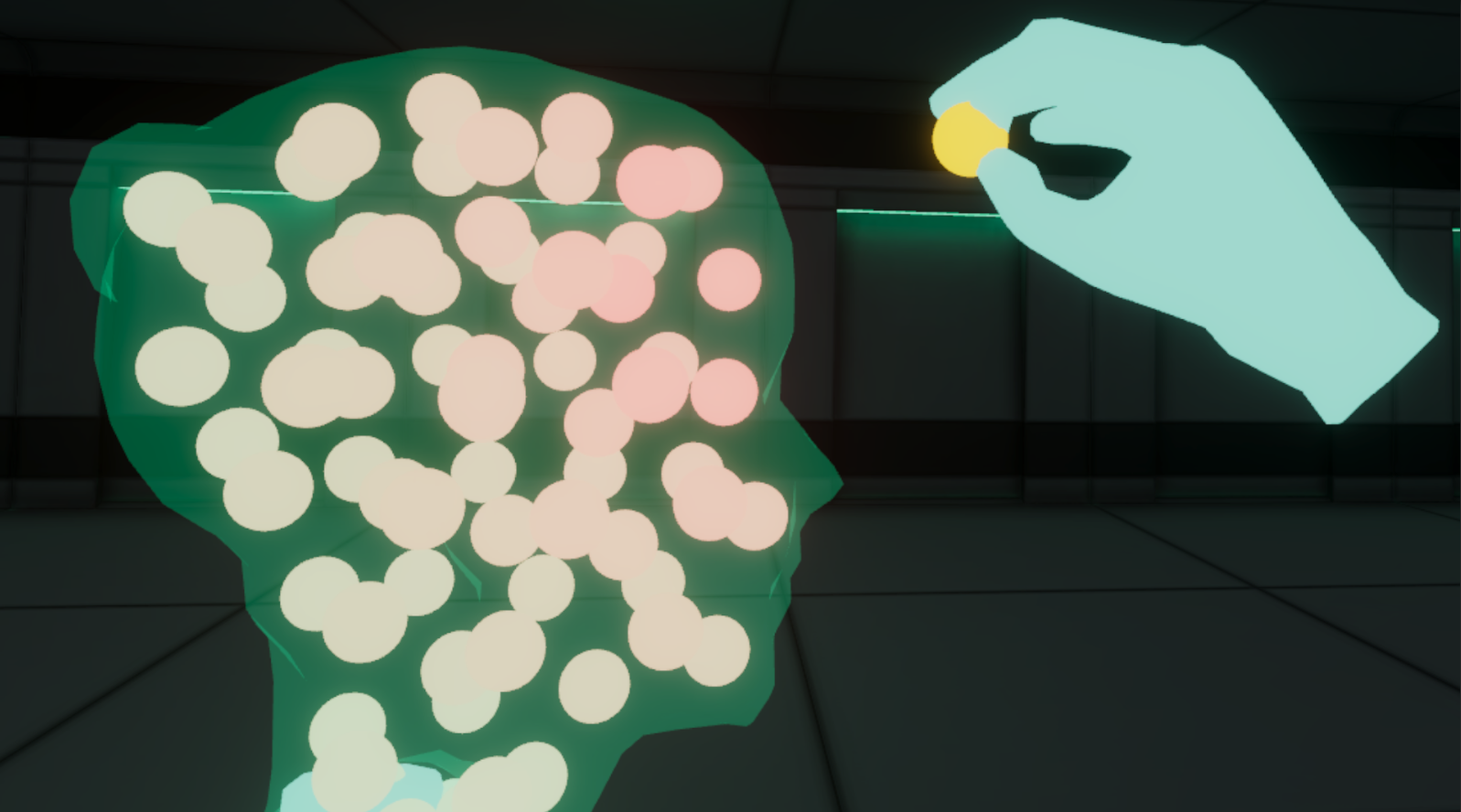
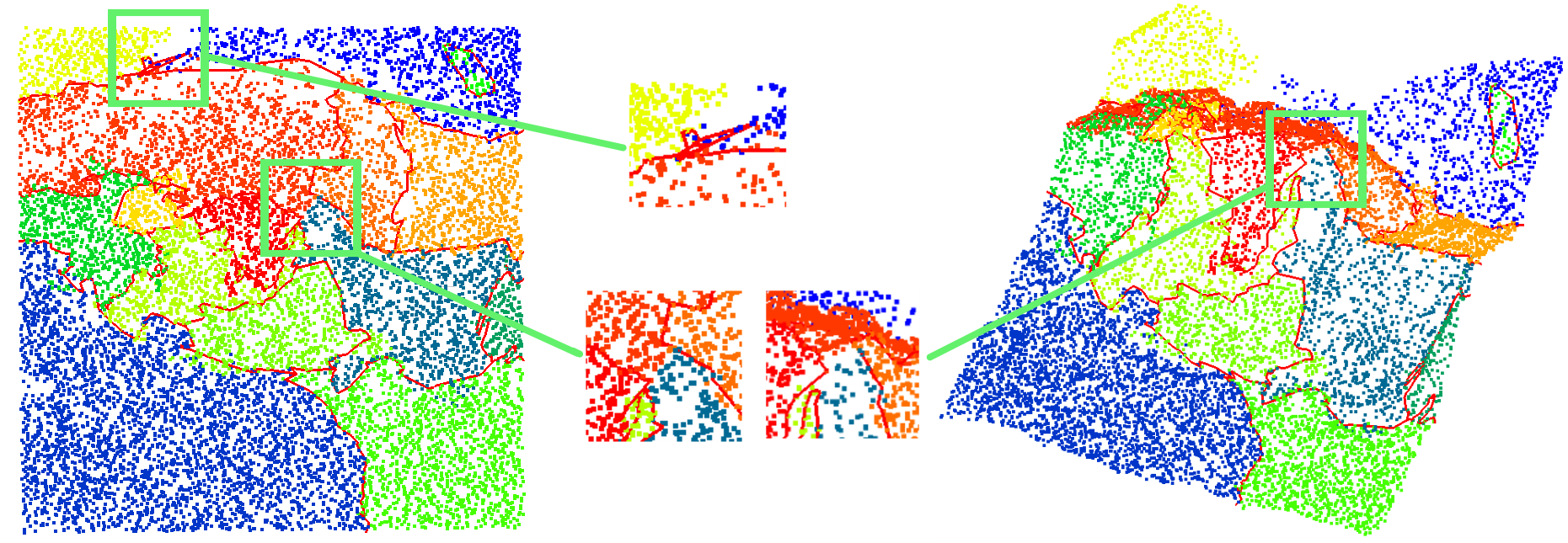
Currently, in this area, we are mainly focused on the topic of symmetries of geometric objects, for more details see geosym.zcu.cz. In this topic, we cooperate with a team from the Department of Mathematics, FAV UWB and with the GeMMa team from the Faculty of Electrical Engineering and Informatics, University of Maribor. In this area, we also solved the CSF project Generalized Symmetries and Equivalences of Geometric Data. The second current area is algorithms for geodetic applications. We cooperate mainly with experts from the Department of Applied Geoinformatics and Cartography, Faculty of Science, Charles University and the Department of Geomatics, FAV UWB.
Meshes and Virtual Reality
Team leader:
Prof. Ing. Libor Váša, Ph.D.
Team members:
Ing. Petr Vaněček, Ph.D.
Ing. Zuzana Káčereková
Ing. Filip Hácha
Ing. Jakub Frank
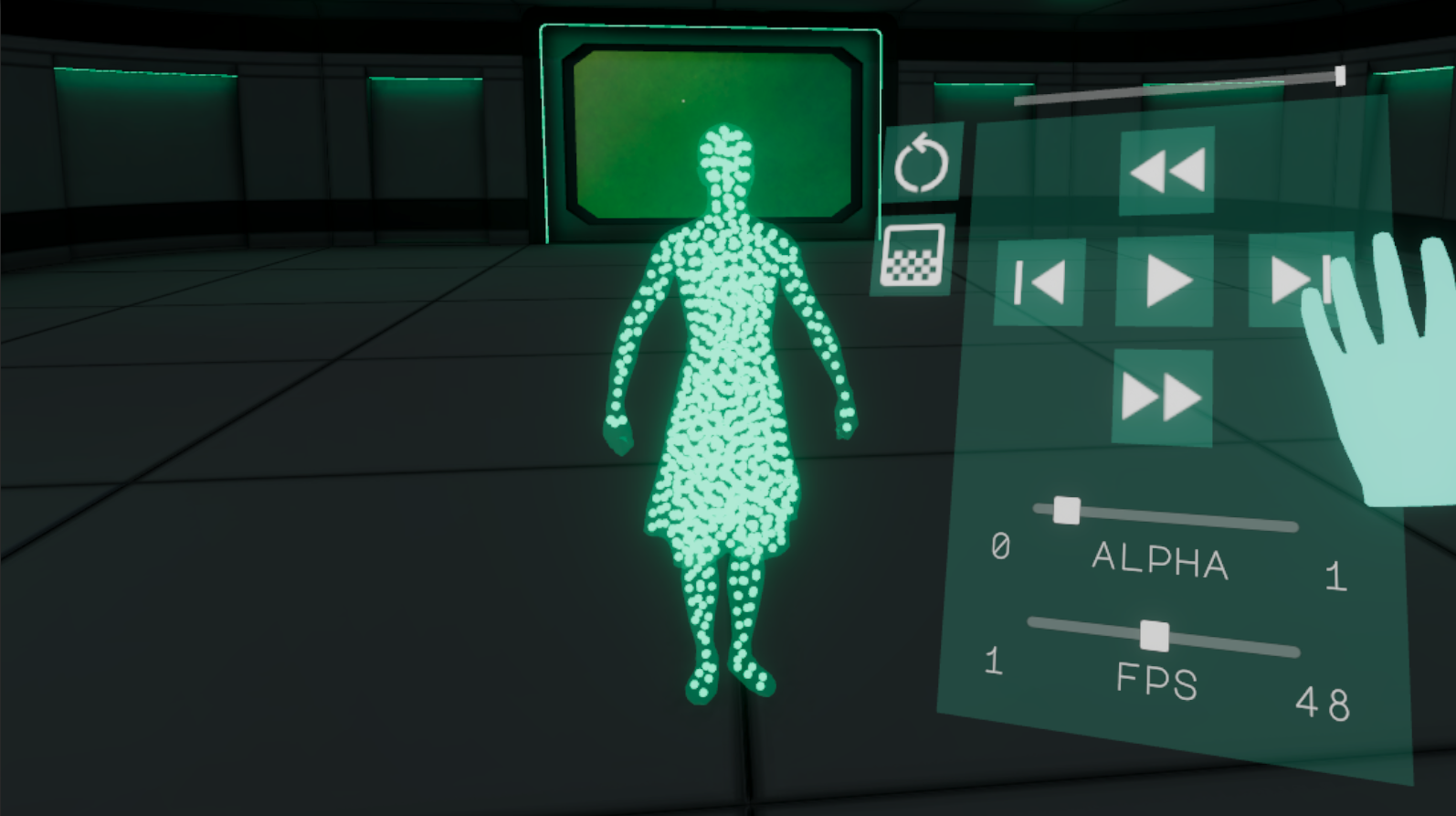
At present, we are mainly dealing with the topic of time-varying triangular meshes, we are solving the CSF project Coordinate representation of time-variable networks in cooperation of Università della Svizzera Italiana (Lugano, Switzerland). The aim of the project is to find a suitable computer representation of surfaces whose shape changes over time. Our long-term theme is compressing geometric models, but also other types of data, see meshcompression.org for more details. We also work on the CSF project Data Compression Based on the Omission of Obvious Information - COMPROMISE in cooperation with the GeMMa team from the Faculty of Electrical Engineering and Computer Science at the University of Maribor, details of the project can be found here: KIV-projects. In the field of virtual reality, we are dedicated to a project aimed at improving the rehabilitation of patients suffering from multiple sclerosis in virtual environments. The aim of the project is to improve the motivation of patients for regular rehabilitation, as well as research into the possibilities of automatic evaluation of the quality of movement through tracking devices monitoring the position and orientation of the arm. Research in this area is carried out in collaboration with experts from the Královské Vinohrady Faculty Hospital and the Faculty Thomayer Hospital. In addition to this area, the group is developing software to teach space-intensive subjects in virtual reality environments.
Algorithms and visual human-computer interaction
Team leader:
Prof. Ing. Václav Skala, CSc., DSc. (web)